
Blog
Humane Squirrel and Mouse Trap Cages: Safe and Effective Wildlife Control for Modern Homes

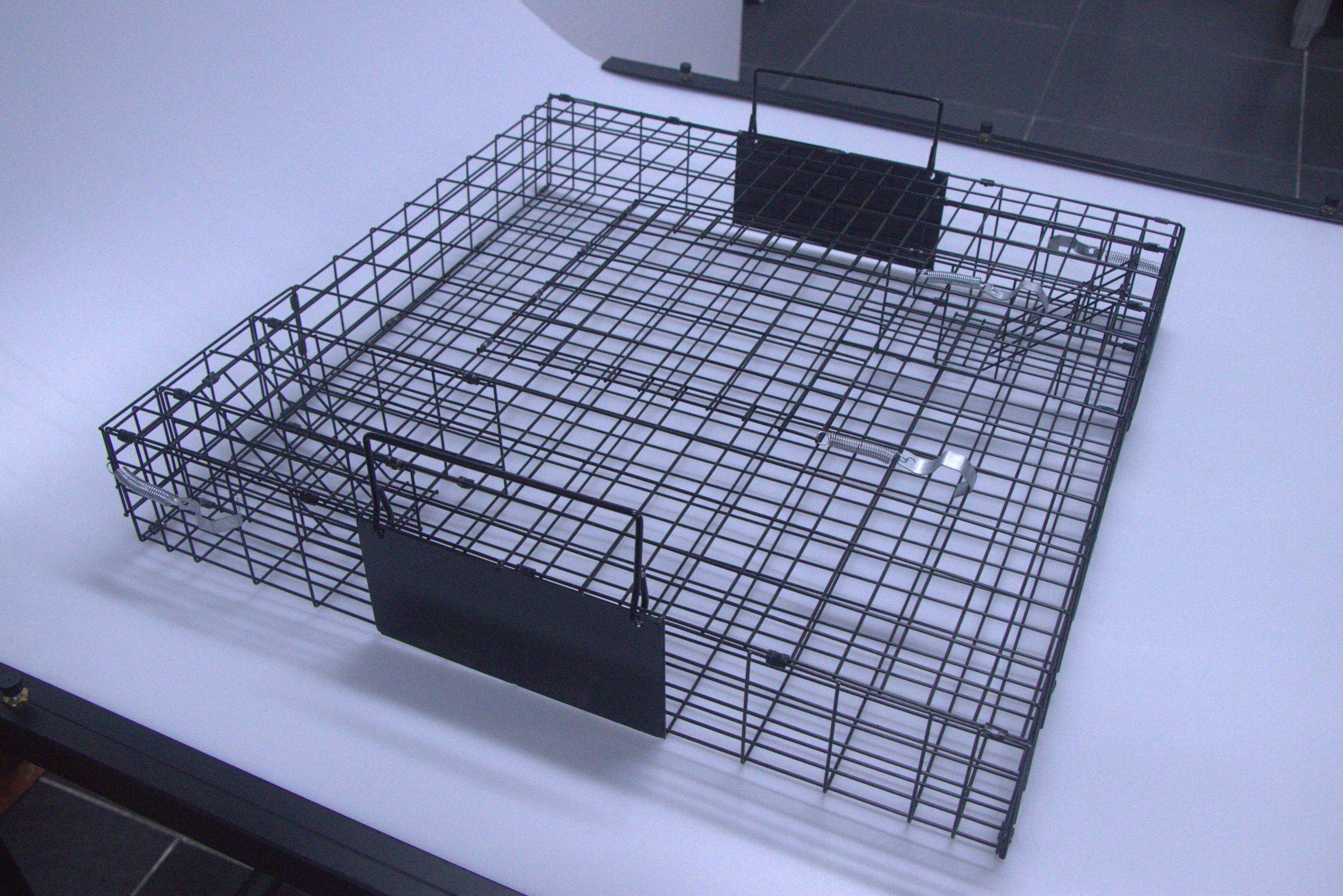
Humane Squirrel and Mouse Trap Cages: Safe and Effective Wildlife Control for Modern Homes
Wildlife encounters around homes and gardens are becoming increasingly common. Squirrels nesting in attics, mice invading storage areas, and small animals damaging property can quickly turn from minor inconveniences into serious problems. While traditional pest control methods often rely on harmful chemicals or lethal traps, modern homeowners are shifting toward humane animal trap cages as a safer, more responsible solution.
A humane squirrel and mouse trap cage offers an effective way to manage wildlife issues while prioritizing animal safety and environmental balance. These live animal traps are designed to capture animals without causing injury, allowing for safe relocation and release.
Why Humane Trap Cages Are the Preferred Wildlife Control Solution
Many traditional rodent control methods involve poison, snap traps, or glue boards. Although these methods may seem convenient, they often create secondary risks for pets, children, and surrounding wildlife.
Humane live animal traps provide several advantages:
1. Safe and Non-Lethal Capture
A well-designed squirrel or mouse trap cage captures animals using a sensitive trigger system that safely closes the door once the animal enters. Unlike harmful traps, humane cages avoid causing pain or injury. This makes them ideal for homeowners who want to resolve wildlife conflicts responsibly.
2. Pet and Family Friendly
Poison-based rodent control solutions can accidentally harm pets or children. Humane trap cages eliminate this risk by using mechanical capture systems rather than chemicals. When used correctly, they provide a controlled and secure wildlife removal method.
3. Environmentally Responsible
Using a catch and release trap helps maintain local ecosystem balance. Small animals like squirrels and mice play important roles in seed dispersal and food chains. Humane relocation allows homeowners to solve problems without disrupting wildlife populations.
Common Situations Where Squirrel and Mouse Trap Cages Are Effective
Humane animal trap cages are highly versatile and suitable for a variety of wildlife management situations.
Attic and Roof Intrusions
Squirrels often enter homes through small roof openings or vents, creating nests and damaging insulation. A properly placed squirrel trap cage near entry points can safely capture animals without structural damage.
Indoor Rodent Problems
Mice frequently invade basements, kitchens, and storage areas in search of food and shelter. A mouse trap cage offers a reusable and humane way to eliminate infestations while avoiding toxic substances.
Garden and Outdoor Protection
Both squirrels and mice can damage gardens by eating crops, digging soil, and destroying plants. Live animal traps allow gardeners to protect their outdoor spaces without harming wildlife.
Key Features of a High-Quality Humane Trap Cage
Not all animal trap cages are designed equally. Choosing a professional-grade live animal trap improves both safety and success rates.
Durable Heavy-Duty Construction
Strong galvanized steel or reinforced wire mesh prevents animals from chewing or escaping. A sturdy frame ensures long-term durability even in outdoor environments.
Sensitive and Reliable Trigger Mechanism
An effective trap uses a precisely balanced trigger plate. When the animal steps onto the plate, the door closes quickly and securely, minimizing stress and preventing escape.
Smooth Interior Design
Humane traps often include smooth internal edges to prevent injury during capture. This feature is essential for safe and ethical wildlife control.
Folding and Portable Structure
Many modern squirrel and mouse trap cages feature foldable designs for easy transportation and storage. Lightweight yet durable construction allows convenient placement in different locations.
Best Practices for Using a Squirrel or Mouse Trap Cage
Proper operation significantly improves capture success and ensures humane treatment of animals.
Step 1: Choose the Right Location
Place the trap along natural animal pathways such as walls, entry holes, attic beams, or garden edges. Rodents and squirrels typically travel close to surfaces for protection.
Step 2: Select Effective Bait
For squirrels, popular bait options include:
Peanut butter
Nuts and seeds
Corn or fruit slices
For mice, effective bait may include:
Cheese or peanut butter
Grains or cereal
Bread pieces
Position the bait at the rear of the trap to encourage full entry.
Step 3: Check the Trap Regularly
Inspect the trap at least once or twice daily. Prompt monitoring reduces animal stress and allows for quick relocation.
Step 4: Release Animals Safely
Release captured animals in appropriate outdoor locations, preferably wooded or natural areas away from residential zones. Always follow local wildlife regulatio
Safety Tips for Humane Wildlife Handling
Using a live animal trap cage requires responsible handling practices.
Wear protective gloves when handling traps
Avoid direct contact with captured animals
Keep the trap level during transportation
Release animals during calm daylight hours when possible
Clean and disinfect traps after use
Following these guidelines ensures both user safety and animal welfare.
A Smarter and Safer Way to Manage Wildlife
Squirrel and mouse intrusions can create serious challenges for homeowners and outdoor spaces. Humane trap cages provide a balanced solution that combines effectiveness, safety, and ethical responsibility. By using a well-designed catch and release trap, property owners can protect their homes while respecting local wildlife.
As humane pest control continues gaining popularity, investing in a reliable live animal trap cage represents a practical and environmentally conscious decision. Whether dealing with attic squirrels, indoor mice, or garden intruders, modern humane traps offer a safe and efficient wildlife control method for today’s homes.