
Blog
Humane Squirrel Control: How to Safely Manage Squirrels in Your Yard

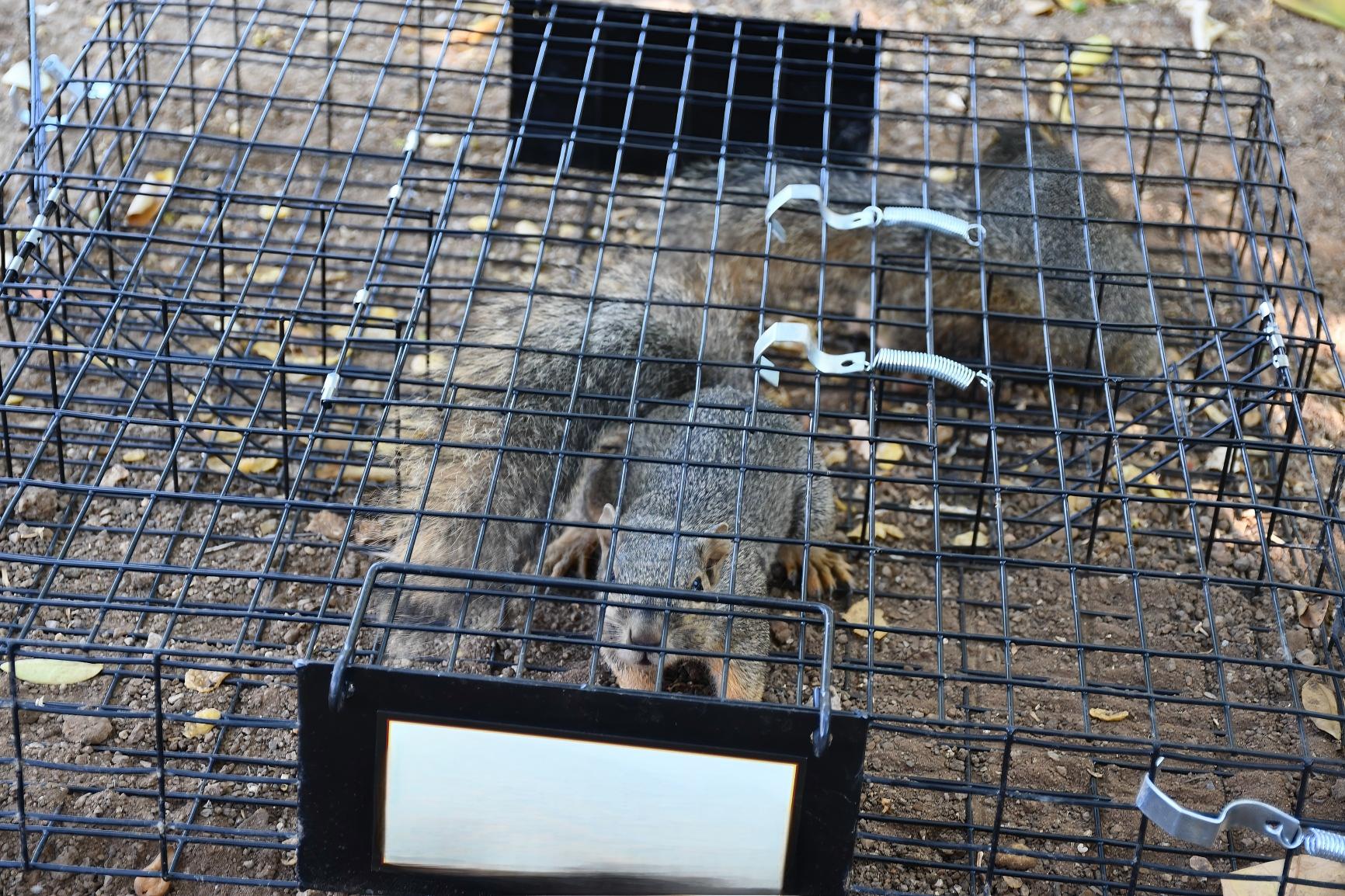
Dealing with squirrels in your yard, garden, bird feeder, or property? Learn humane squirrel control methods and how a live-catch squirrel cage can help.
Humane Squirrel Control: How to Safely Manage Squirrels Around Your Home and Garden
Squirrels can be entertaining to watch—until they start taking over your backyard.
For many homeowners, squirrels become a recurring nuisance around bird feeders, gardens, flower beds, attics, garages, sheds, and outdoor areas. They may dig in planting beds, steal bird food, damage feeders, chew on structures, or look for places to nest.
If you're searching for humane squirrel control, a live catch squirrel trap, or a safe way to manage squirrels around your property, the first step is understanding why they are there and choosing a practical solution that fits your situation.
Why Are Squirrels Coming Into Your Yard?
Squirrels are naturally attracted to areas that provide food, water, shelter, and nesting opportunities.
A backyard with bird feeders, gardens, fruit trees, nuts, or easy access to buildings can become an attractive environment.
According to University Extension resources, squirrels commonly raid bird feeders, damage feeders, dig around gardens, and may enter attics or other structures. Once inside a building, they can chew insulation and electrical wiring.
Common signs of squirrel activity include:
-
Squirrels repeatedly visiting your bird feeder
-
Empty or damaged bird feeders
-
Holes in garden beds
-
Dug-up flowers, bulbs, or newly planted seeds
-
Gnaw marks around wood or vents
-
Scratching or movement around an attic
-
Nesting materials around roof or attic openings
-
Squirrels repeatedly returning to the same area
If you're seeing these signs every day, it may be time to consider a more structured squirrel control solution.
Common Squirrel Problems for Homeowners
1. Squirrels Are Stealing Bird Food
One of the most common complaints is:
“My bird feeder is feeding the squirrels instead of the birds.”
Squirrels are persistent climbers and can be difficult to keep away from traditional bird feeders. They may also damage feeders while trying to reach the food.
Before considering trapping, homeowners can try moving feeders away from jumping points, using squirrel-resistant feeders, or installing baffles. These are commonly recommended squirrel-management strategies.
If the problem continues, a humane squirrel control strategy may be worth considering.
2. Squirrels Are Damaging Your Garden
Squirrels may dig in lawns, flower beds, vegetable gardens, and planting areas while searching for or burying food.
They can disturb:
-
Flowers
-
Bulbs
-
Vegetable gardens
-
Seeds
-
Young plants
-
Potted plants
For gardeners searching for a squirrel trap for garden or backyard use, it is important to combine any wildlife-control method with prevention measures such as fencing, netting, removing food sources, and protecting vulnerable plants.
3. Squirrels Are Getting Near Your Home
Squirrels can sometimes enter attics, roof spaces, garages, sheds, or other structures through openings.
Once inside, they may damage insulation, stored belongings, wood, or electrical wiring.
If you hear scratching or movement inside an attic, don't immediately assume trapping is the first step. First identify how the animal is getting inside and whether there may be a nest or young animals.
Permanent exclusion—closing entry points after the animal has safely left—is an important part of long-term squirrel management.
What Is a Humane Squirrel Trap?
A humane squirrel trap, also called a live catch squirrel trap, is designed to contain an animal without using lethal mechanisms.
Instead of killing the animal, a live-catch cage allows the squirrel to be safely contained so the situation can be handled according to local wildlife regulations.
This makes a squirrel live trap an option for homeowners who are looking for a non-lethal approach to recurring squirrel problems.
However, wildlife regulations vary by state and municipality. Before trapping, always check your local regulations or contact a local wildlife professional.
Choosing a Live Catch Squirrel Trap
If you're looking for the best humane squirrel trap for homeowners, consider several practical features.
1. Easy Setup
A squirrel trap should be straightforward to set up and use.
A complicated mechanism can discourage homeowners from using the product correctly. A simple design makes it easier to place the cage in an appropriate location and monitor it regularly.
2. Live-Catch Design
A live-catch cage is designed to contain the animal rather than use a lethal mechanism.
For homeowners who specifically search for humane squirrel removal, this can be an important consideration.
3. Durable Construction
Outdoor wildlife-control equipment needs to withstand repeated outdoor use.
A durable metal cage can be useful for homeowners dealing with recurring squirrel or chipmunk activity.
4. Indoor and Outdoor Applications
Different properties have different squirrel problems.
A versatile squirrel cage can be useful around:
-
Backyards
-
Gardens
-
Sheds
-
Garages
-
Outdoor structures
-
Areas near bird feeders
For attic infestations or animals already inside a structure, however, professional wildlife assistance may be the safest option.
How to Use a Squirrel Live Trap Responsibly
If live trapping is legal in your area, placement is extremely important.
Start by identifying where squirrels are most active.
Look for:
-
Frequently used paths
-
Areas near bird feeders
-
Garden damage
-
Entry points
-
Droppings
-
Chewed materials
-
Areas where squirrels repeatedly search for food
A trail camera can also help identify the animal responsible for damage before you take action. Extension guidance recommends cameras as a useful way to determine which wildlife species is causing a problem.
Use appropriate bait according to the product instructions and local regulations, and monitor the trap frequently.
Never leave a captured animal unattended for extended periods.
Also avoid trapping during situations where young animals may be separated from a mother. Wildlife organizations specifically warn that squirrels in attics may be mothers caring for young, particularly during breeding periods.
A Practical Solution for Squirrel and Chipmunk Problems
For homeowners looking for a squirrel trap cage, KindTraps offers a live-catch cage designed for squirrels and chipmunks.
The cage is suitable for homeowners dealing with recurring activity around their property and can be used in appropriate indoor or outdoor situations.
Key Features
🐿️ Live-Catch Design
Designed to contain squirrels and chipmunks without a lethal mechanism.
🔧 Simple Setup
A straightforward design makes the cage easy to prepare and use.
🏡 Indoor & Outdoor Use
Suitable for appropriate areas around the home, garden, backyard, shed, or other property.
💪 Durable Construction
Designed for repeated use in everyday wildlife-management situations.
🐿️ Squirrel & Chipmunk Use
A practical option for homeowners dealing with both squirrels and chipmunks.
If you're searching for a humane squirrel trap, live catch squirrel trap, squirrel cage trap, or squirrel control solution, this type of cage can be part of a broader wildlife-management plan.
Squirrel Control: Prevention Still Matters
A trap alone shouldn't be considered the complete solution.
Long-term squirrel management starts by reducing the reasons squirrels want to stay on your property.
Remove or Reduce Food Sources
Keep bird seed in secure containers and consider squirrel-resistant feeders or baffles.
Protect Your Garden
Use physical barriers such as netting or appropriate fencing around vulnerable plants and garden beds.
Check Your Home
Inspect:
-
Roof vents
-
Attic openings
-
Eaves
-
Soffits
-
Chimneys
-
Broken screens
-
Gaps around structures
Squirrels can enter surprisingly small openings and may enlarge them through gnawing.
Trim Access Routes
Overhanging branches can provide squirrels with easy access to roofs and buildings. Keeping branches away from structures can reduce access opportunities.
Humane Squirrel Control vs. Quick Fixes
When homeowners search for how to get rid of squirrels, they may find many different products and techniques online.
Not every method is appropriate for every situation.
A better approach is to think about the entire problem:
Identify → Prevent → Manage → Exclude
First identify what animal is causing the damage.
Then reduce food and shelter sources.
If live trapping is appropriate and legal in your area, use a suitable humane squirrel trap and monitor it responsibly.
Finally, address the reason the animal was able to access your property in the first place.
This approach is more sustainable than simply removing one animal while leaving the same entry point or food source available.
Frequently Asked Questions
What is the best humane squirrel trap?
The best option depends on the animal, location, local regulations, and the type of problem you're experiencing. A live-catch cage with a practical setup and durable construction can be a useful option for homeowners dealing with recurring squirrel activity.
Can I use a squirrel live trap in my backyard?
This depends on your local wildlife regulations. Rules for trapping, possession, transport, and release can vary by state and municipality. Always check the regulations that apply to your location before trapping.
How do I keep squirrels away from my bird feeder?
Try moving the feeder away from trees and other jumping points, installing an appropriate baffle, or using a squirrel-resistant feeder. These are commonly recommended prevention methods.
How do I stop squirrels from damaging my garden?
Physical barriers, fencing, netting, reducing food attractants, and protecting vulnerable plants can help reduce squirrel activity.
Can squirrels damage my house?
Yes. Squirrels can chew wood, siding, vents, insulation, and electrical wiring, particularly when they gain access to attics or other enclosed areas.
What should I do if I hear squirrels in my attic?
First identify the entry point and determine whether young animals may be present. Avoid sealing an active entrance prematurely, as this can trap animals inside. For complicated or recurring attic problems, consider contacting a qualified wildlife professional.
Final Thoughts
Squirrels are an important part of local ecosystems, but they can become a genuine nuisance when they repeatedly damage gardens, raid bird feeders, or enter buildings.
The goal of responsible squirrel control isn't simply to remove an animal. It is to understand why the animal is there, reduce attractants, protect your property, and choose an appropriate management method.
For homeowners looking for a humane squirrel trap or live catch squirrel cage, a properly used live-catch solution can be one tool in a broader wildlife-management strategy.
Explore the KindTraps Squirrel Live Catch Cage and find a more practical way to manage recurring squirrel and chipmunk activity around your property.