
Blog
Humane Raccoon Trap Guide: How to Safely Capture and Remove Raccoons

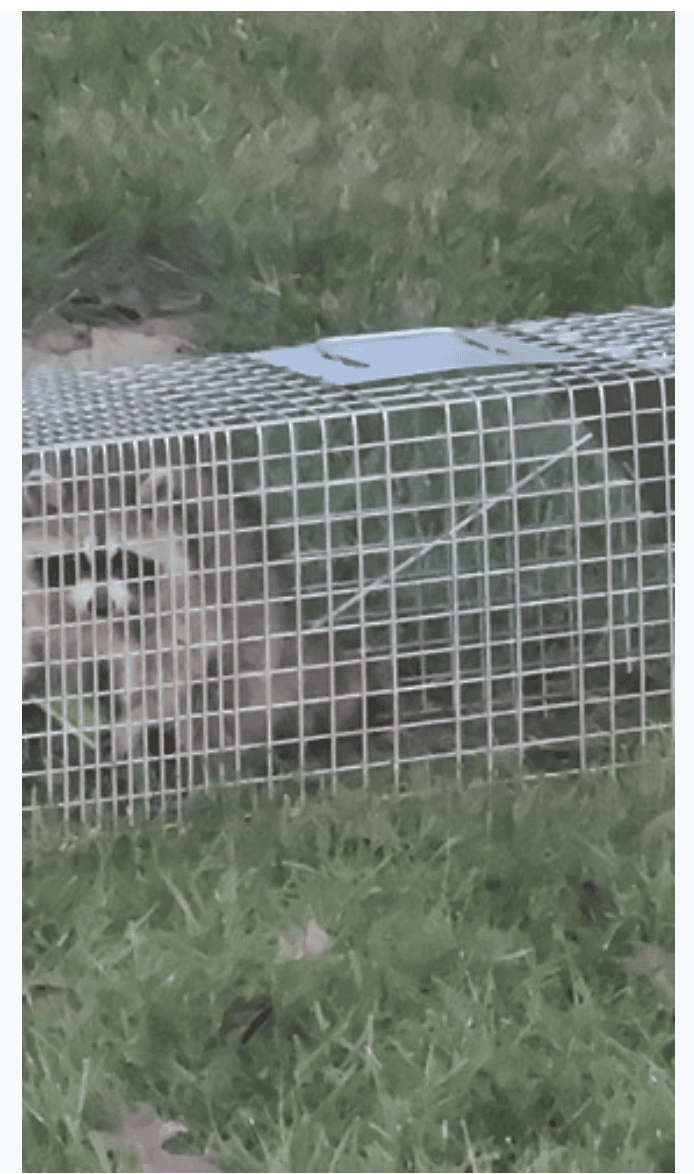
Learn how humane raccoon traps work, what to look for in a live animal cage trap, and how to manage raccoon problems safely and responsibly.
Humane Raccoon Trap Guide: How to Safely Capture and Remove Raccoons
Raccoons are highly adaptable animals. They can live close to residential neighborhoods, farms and suburban properties, often taking advantage of easily available food, water and shelter.
For homeowners, this can create a range of problems.
A raccoon may get into garbage, disturb gardens, enter a shed or attempt to access an attic or other sheltered space.
When a raccoon becomes a nuisance, many property owners look for a humane raccoon trap that allows the animal to be captured without unnecessary injury.
A live-catch cage can provide a practical option when used correctly and in accordance with local wildlife regulations.
Why Do Raccoons Enter Residential Properties?
Raccoons are opportunistic feeders.
A residential property may provide several attractive resources:
- Open garbage containers
- Outdoor pet food
- Bird feeders
- Fruit trees
- Vegetable gardens
- Compost
- Accessible sheds or crawl spaces
- Potential nesting locations
Once an animal discovers a reliable food source, it may repeatedly return.
This is why trapping alone isn't always enough. Removing or securing attractants and closing possible entry points should also be part of a broader wildlife-control strategy.
What Is a Humane Raccoon Trap?
A humane raccoon trap, also called a live animal trap or live catch cage, is designed to contain an animal without relying on poison or lethal mechanisms.
The general concept is straightforward:
- The animal enters the cage.
- The trigger mechanism activates the door.
- The animal remains safely contained.
- The cage can then be handled according to applicable local wildlife rules.
A properly selected cage should provide enough room for the target animal and should not have exposed sharp edges or mechanisms designed to injure the animal.
What Makes a Good Raccoon Trap?
When choosing a large live animal cage trap, several design features are worth considering.
Heavy-Duty Construction
Raccoons are strong and persistent animals.
A lightweight cage may not be appropriate for larger wildlife. A sturdy metal frame can provide better stability during outdoor use.
Secure Door
A reliable door mechanism helps prevent the animal from escaping after capture.
Safe Handling
A trap should allow the user to handle and release the animal without unnecessary direct contact.
Outdoor Durability
Wildlife traps are often used outdoors, so corrosion-resistant finishes and durable construction are important considerations.
Easy Setup
A complicated trap can lead to incorrect installation.
An easy-to-understand design helps homeowners set up the cage properly.
The Upgraded KindTraps Humane Raccoon Trap
The KindTraps Heavy-Duty Humane Raccoon Trap is designed specifically for live capture and wildlife management.
The upgraded design focuses on simplifying installation.
Instead of requiring users to assemble a complicated internal pedal support mechanism, the updated structure is designed around a simple three-step setup.
This makes the trap easier for homeowners to prepare before use.
The product is intended for situations where a larger live animal cage is needed for raccoons and similar-sized nuisance wildlife.
Why an Easy-Setup Trap Matters
One of the most frustrating parts of traditional live animal traps can be the setup process.
A user may need to connect multiple rods, hooks or pedal components before the trap is ready.
If those components aren't installed correctly, the mechanism may not function as intended.
An easier three-step setup can reduce this complexity and make the product more approachable for homeowners who have never used a live animal trap before.
KindTraps also provides installation guidance and after-sales support, helping customers understand the setup process.
How to Use a Live Raccoon Trap Responsibly
A humane trap should always be used responsibly.
1. Check Local Regulations
Wildlife laws vary significantly by state, county and municipality.
Before trapping or relocating a raccoon, check the rules that apply to your location.
2. Select an Appropriate Location
Place the trap where raccoon activity is actually occurring, while avoiding areas that could expose pets or children to unnecessary risk.
3. Use Appropriate Bait
Food commonly associated with raccoon activity can be used as an attractant, but the choice should be appropriate for the situation and local regulations.
4. Check the Trap Regularly
A live trap should not simply be left unattended for extended periods.
Regular monitoring helps reduce unnecessary stress and exposure.
5. Handle the Captured Animal Carefully
Never attempt to handle a wild raccoon directly.
Follow local wildlife-control guidance regarding release, relocation or contacting a licensed wildlife professional.
Humane Wildlife Control Is More Than Trapping
A long-term solution should address why wildlife is visiting your property.
After dealing with the immediate problem, consider:
- Securing garbage containers
- Removing accessible food sources
- Bringing pet food indoors
- Cleaning up fallen fruit
- Securing compost
- Checking sheds and crawl spaces
- Sealing potential entry points
These preventive measures can make the property less attractive to future wildlife visitors.
When Should You Consider Professional Wildlife Removal?
A live animal trap may be appropriate for some situations, but it isn't suitable for every wildlife problem.
Consider contacting a qualified wildlife professional when:
- An animal has entered your attic
- Young animals may be present
- An animal appears injured or sick
- The species is protected
- Local regulations restrict trapping or relocation
- You are unsure how to safely handle the situation
Humane wildlife control should always prioritize both human safety and animal welfare.
A Reusable Solution for Homeowners
One reason live animal cages remain popular is that they can be reused.
Instead of purchasing a disposable product whenever wildlife appears, a durable cage can become part of a homeowner's long-term wildlife management equipment.
For properties with recurring problems involving raccoons or similar animals, investing in a well-built cage may provide a more practical solution.
Final Thoughts
Raccoons are part of North America's wildlife ecosystem, but that doesn't mean homeowners have to accept ongoing property damage.
A humane raccoon trap can provide a way to manage certain wildlife conflicts while avoiding unnecessary harm.
The best approach combines an appropriate live-catch cage with responsible monitoring, prevention and compliance with local wildlife regulations.
The KindTraps Heavy-Duty Humane Raccoon Trap is designed around these practical needs, with a sturdy cage structure and an upgraded three-step setup intended to make live capture easier for homeowners.
Protect your property. Respect wildlife. Choose responsible wildlife control.