Blog
How to Use a Live Trap for Cats Responsibly: Rescue, TNR, and Coexistence

A Specialized Tool for a Sensitive Situation
Cats occupy a unique space in our world—they are beloved pets, independent strays, and wild-born ferals. Conflicts arise when unowned cats seek shelter under porches, yowl at night, or impact local bird populations. Reaching for a standard animal trap cage might seem logical, but felines require specific considerations for their safety and stress levels. A properly used live trap for cats is not just a capture device; it is an essential instrument for rescue, population control, and ultimately, fostering healthier communities for both cats and people.
This guide focuses exclusively on the ethical and effective use of live traps for cats. Whether you are a Good Samaritan rescuing an injured stray, a volunteer participating in a Trap-Neuter-Return (TNR) program, or a homeowner needing to humanely deter cats from your property, this article will provide the nuanced knowledge you need. Our goal is to ensure every capture is as stress-free as possible, leading to a positive outcome for the cat.
Understanding the “Why”: Scenarios for Using a Cat Live Trap
Trap-Neuter-Return (TNR): This is the most common and vital use. Feral cats are humanely trapped, spayed/neutered, vaccinated, ear-tipped for identification, and returned to their territory. TNR is the only proven, humane method to stabilize and reduce feral cat populations over time.
Rescuing Injured or Abandoned Cats: A live trap may be the only way to safely capture a scared, hurt cat or a litter of kittens without a mother for immediate veterinary care.
Containing a Lost Pet: Sometimes, a skittish lost pet won’t come to strangers. A baited trap can safely secure them for scanning a microchip and reunification.
Humanely Deterring Nuisance Behavior: In rare cases, after all other deterrents fail, trapping and relocating a cat (in coordination with animal services) may be a last resort. Important: Always check local laws, as relocating cats is illegal or discouraged in many areas as it often leads to their suffering.
Choosing and Preparing the Right Cat Trap Cage
Not all live animal traps are cat-appropriate. Look for these features in a cat trap cage or animal trap cage for cats:
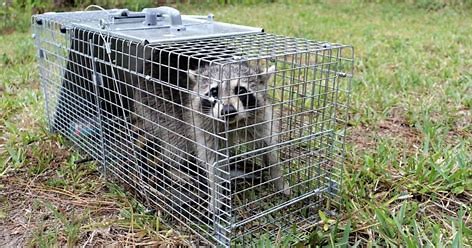
Size & Design: A trap roughly 30-36 inches long is ideal. It should be tall enough for an average cat to sit without crouching. Plastic-coated wire mesh is superior to bare metal, as it is quieter, provides better insulation from heat/cold, and prevents paws from slipping through.
Safety Mechanisms: Look for rear sliding doors or “trap dividers.” These allow you to safely confine the cat to one end for feeding or to administer medication without transferring it to a carrier, vastly reducing stress for handler and cat.
Trap Preparation (“Pre-Baiting”): This is the most crucial step for success with wary cats. For 3-5 days before you plan to set the trap, prop the door open securely. Place delicious, smelly food (like wet mackerel or sardines) inside each day. This teaches the cat that the trap is a source of food, not danger. Always line the bottom of the trap with newspaper or a small towel to provide secure footing.
The Night of the Trap: A Step-by-Step Protocol
Timing: Set the trap at the cat’s normal feeding time, typically dusk.
Baiting: Place a small amount of ultra-appealing bait (again, fish or extra-stinky wet food) on a paper plate at the very back of the trap, well past the trigger plate. You can create a scent trail leading into the trap.
Location: Place the trap on a flat, stable surface in the cat’s regular feeding area. Camouflage it lightly with a towel over the top and sides, leaving the ends clear.
Setting: Ensure the trap mechanism is sensitive and set correctly. Use a stick or zip-tie to hold the door open while you finalize placement, then carefully remove it.
Vigilant Monitoring: You must be prepared to monitor the trap continuously or at minimum every 30 minutes once set. A trapped cat can panic and injure itself. Never leave a set trap unattended overnight or while you are away.
Post-Capture: Immediate Care and Next Steps
Once trapped, immediately cover the entire trap with a large blanket to calm the cat. Place it in a safe, temperature-controlled, quiet place (like a garage or bathroom). Provide no food or water if a veterinary visit is imminent.
For TNR: Transport the covered trap directly to your scheduled clinic or drop-off location.
For Rescue/Injury: Contact your veterinarian or local animal rescue immediately for instructions.
Post-Surgery/Recovery: After TNR surgery, cats must be held in the trap for 24-48 hours in a quiet recovery space before release back to their original location.
Building Compassionate Communities, One Cat at a Time
Using a live trap for cats responsibly is an act of profound community kindness. It addresses the root causes of feline overpopulation through TNR, provides aid to animals in need, and helps mediate human-cat conflicts peacefully. It moves us away from ineffective and inhumane responses toward science-based, compassionate care.
Equip yourself to make a difference. View our selection of specialized live traps for cats and cat trap cages, designed with feline safety and handler ease in mind. Whether for TNR or rescue, start your journey toward a more humane solution today.